

Preparing your Air Conditioning System for Hurricanes
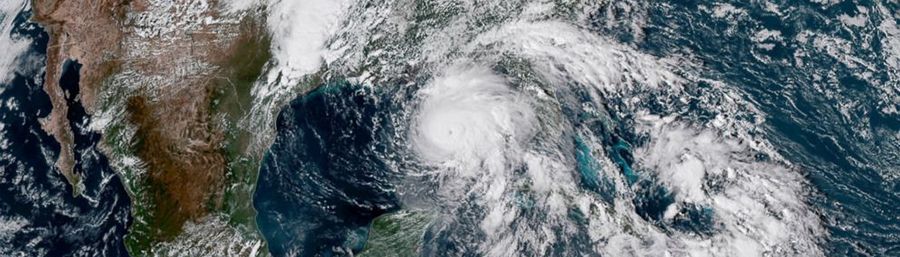
NOAA's Climate Prediction Center is forecasting a “near-normal” hurricane season this year, but you don’t need a very active season for just one hurricane to make landfall and wreak havoc.
Secure the Unit
Make sure your outdoor unit is properly secured to the concrete. Check the metal bolts and straps that hold your system in place for signs of rust or deterioration which could make the unit vulnerable to high winds.
Clear and Cover
Prior to the storm, bring in any outdoor tables, chairs or other items that could become airborne and cause damage to the AC System. You can even cover the outside unit with a tarp in order to keep it free from flying leaves, dirt and other debris, but make sure to remove the covering before you turn the unit back on!
Cool Down Your House
Before the threat of the storm is imminent, try cooling your house as much as possible so you are comfortable for a while after you turn off your AC System.
Turn Off the Power
Nearly 90% of all electrical system damage occurs when the AC is left on during a thunderstorm or hurricane. You may have to tolerate a bit of heat and humidity when you turn off your AC but leaving it on could cost you thousands of dollars in repairs.
Wait 20 Minutes
Keep the AC System turned off until the storm passes and don't be in a rush to turn it back on. In the event of flooding,